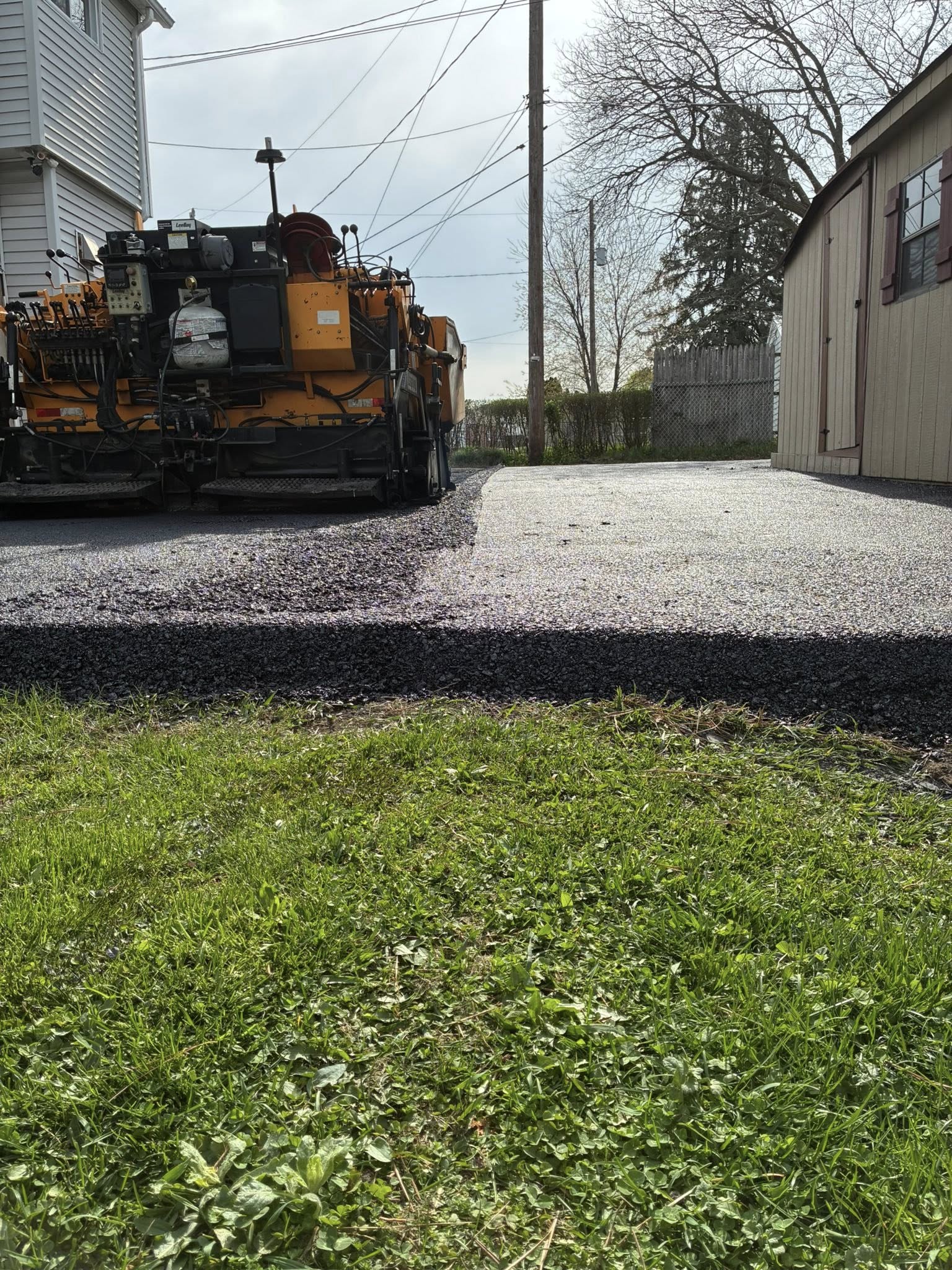
The Eco-Friendly Benefits of Choosing Asphalt for Your Next Paving Project Jul 25, 2026
Asphalt is renowned for its recyclability, one of its most significant eco-friendly benefits. Unlike many other materials, asphalt can be reused repeatedly without a loss of quality. This means less waste heading to landfills and more resources conserved. In fact, asphalt is the most recycled material in America, with nearly 100 million tons being reused each year. By choosing asphalt for your next paving project, you are actively contributing to environmental conservation and resource efficiency.
Another advantage of asphalt is its durability and longevity. Properly maintained asphalt surfaces can last for decades. The extended lifespan reduces the frequency of repaving projects, which further lowers the demand for new materials and energy consumption associated with production and transportation. This durability also means fewer disruptions and the cost savings associated with less frequent repairs, making it a smart choice for both environmental and economic reasons.
The production of asphalt pavement is an energy-efficient process. Modern asphalt production facilities have embraced technologies that significantly reduce emissions. These advancements include the use of warm-mix asphalt, which is produced at lower temperatures, leading to reduced energy usage and greenhouse gas emissions. By selecting asphalt, you are supporting industries that prioritize innovation and sustainability.
Water management is another critical aspect of eco-friendly paving. Asphalt is a porous material that can be designed to allow water to drain through the surface, reducing runoff and helping to recharge groundwater supplies. This permeability is particularly vital in areas prone to flooding or those with stringent water management regulations. By incorporating porous asphalt into your design, you help mitigate erosion, decrease the burden on sewer systems, and promote a healthier ecosystem.
Moreover, asphalt's heat-retentive properties offer climatic benefits. The material absorbs and retains heat, which can alleviate the urban heat island effect common in cities. Using asphalt in urban settings can lead to more stable climates and potential reductions in energy consumption for cooling.
The benefits of selecting asphalt are not limited to the material itself but extend to the broader impact on the community and economy. The asphalt industry supports local jobs, from production to installation and maintenance. By choosing asphalt from Chris Asphalt & Sealcoating, you are helping sustain local economies and contributing to job creation in your area.
In summary, when considering material for your next paving project, asphalt stands out not only for its functional advantages but also for its environmental benefits. Its recyclability, energy efficiency, water management capabilities, and community impact make it a responsible choice for eco-conscious consumers. Choosing asphalt is choosing a sustainable future. Engage with us at Chris Asphalt & Sealcoating to discover how we can help turn your paving project into an eco-friendly reality, benefitting both your immediate surroundings and the wider world.
/filters:no_upscale()/filters:format(webp)/media/0b294325-c824-4413-bf79-23bcf1fe84bf.jpeg)